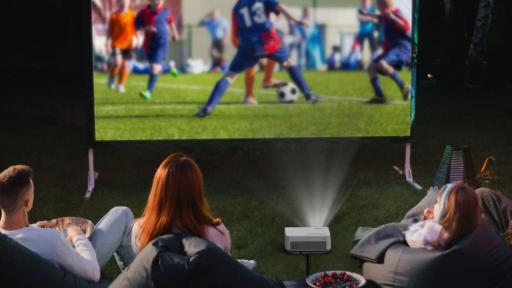
Picture this: you are watching a live sports grand final on television. The score is perfectly tied, there are only five minutes left on the clock, and the tension is unbelievable. Suddenly, you realise you desperately need to go to the bathroom. Walking away right now means you will absolutely miss the most crucial, game-deciding moment. What if you did not have to move? What if the toilet could just come to you instead?
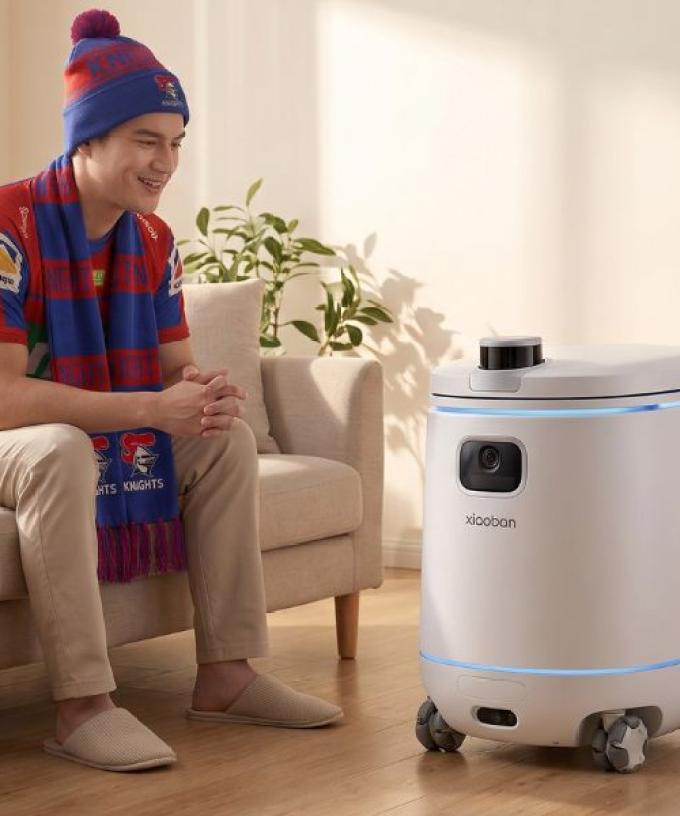
Enter the Xiaoban. Built by Chinese accessibility brand Yueban, this is a $13,000 AI-powered autonomous robot toilet that drives right to where you are sitting. It was recently unveiled at the Shanghai International Aged Care, Assistive Devices, and Rehabilitation Medical Expo. While a self-driving toilet might sound like a funny concept at first, the technology and the purpose behind it are completely serious. The product is quite literally a toilet that finds you.
How A Self-Driving Robot Toilet Works
Using an advanced AI 3D Obstacle Avoidance System, the Xiaoban glides across your floor, smoothly dodging stray shoes, pets, or furniture, very much like a high-end robotic vacuum cleaner. It navigates directly to the user. Once you are finished, the device activates its built-in Lidar sensors to safely drive itself back to its dedicated docking station without any human help. Honestly, this robotic toilet has better spatial awareness and parallel parking skills than most drivers on the road today.
No Manual Cleaning Required
The most impressive feature happens after it docks. Nobody wants a portable toilet sitting in the corner making the house smell. Back at the station, the Xiaoban connects directly into the home’s existing plumbing system. It runs everything through a low-noise grinder before cleanly flushing it away into the regular pipes.
Following the flush, it launches a rigorous self-cleaning cycle. This involves pressurised water jets and UV light to sanitise the bowl. It also creates a foam shield and uses activated charcoal filters to ensure the air in the room stays completely odour-free. It handles the entire messy process from start to finish.
Why The $13,000 Price Tag Makes Perfect Sense
Currently, the Xiaoban retails for about $13,000 in the Chinese market, and there is no confirmed date for an international release just yet. Yes, the price is high, but you have to look at who this was built to help.
For people with severe mobility impairments, semi-disabilities, or age-related movement issues, getting to the bathroom independently is not just a minor annoyance. It is a massive daily logistical hurdle. Traditional bedside commodes exist, but they still require a family member or caregiver to empty and clean them every single day. A robotic toilet that handles the transit, waste disposal, and deep cleaning entirely on its own gives people their dignity back.
Global populations are rapidly getting older, and in-home assistive technology is now one of the fastest-growing markets in the world. When you compare a one-off $13,000 payment against the ongoing, heavy cost of full-time care or the loss of personal independence, the conversation shifts completely. The traditional bathroom has barely evolved in decades, but for those who truly need it, this rolling robot is a brilliant step forward.