After months of warning, Australia’s landmark social media ban for children has officially taken effect.
Those aged under 16 have now been locked out of ten major social media platforms, with their accounts blocked.
Teens attempting log in this morning were met with abrupt messages explaining their accounts had been deactivated under new federal laws.
“We’re sorry to announce that due to new Australian laws, Snapchatters under 16 can no longer access Snapchat,” popular platform Snapchat wrote.
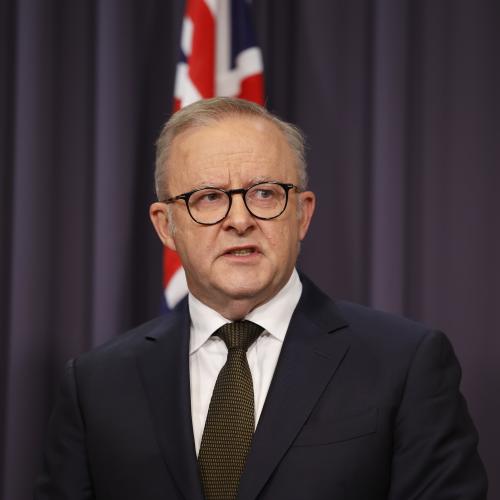
Prime Minister Anthony Albanese has hailed the move as a major win for families, saying it will protect children from online harm.
“This is a great day, and I’m very proud to be the Australian Prime Minister on a day in which Australian parents have campaigned for this, young people themselves have said, ‘enough is enough’,” he told ABC.
“This is the day when Australian families are taking back power from these big tech companies, and they’re asserting the right of kids to be kids and for parents to have greater peace of mind.
Albanese acknowledged the transition may be bumpy, but urged parents, teachers, and students to stay engaged as the new rules settle in.
“This is a proud day. It won’t be simple. It’ll be a difficult period going through any transition is of course, but we also want to have those discussions between parents and teachers and young people and to engage. This is a very important reform,” he said.
eSafety commissioner Julie Inman Grant said companies that refused to comply with the ban would be dealt with.
“The gaze of the world is upon us right now, and sometimes it isn’t the regulation or the fines that actually compels them to do the right thing. It is about the reputation and revenue,” she told Today.
Companies that continue to defy the rules face fines up to $49.5 million for breaches of the ban.
“We may see some cases, we may see some blatant non-compliance, but we’ve got plans for that.
“The action won’t be immediate. Tomorrow, we’ll be issuing about 10 notices to ask them a range of questions so we can collect the baseline data and see how they’re progressing.”